Cincuenta y cuatro Canciones Españolas del siglo XVI: Cancionero de Uppsala
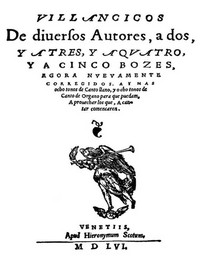
Okay, so here's the setup: Back in 1909, a librarian in Uppsala, Sweden found this book of Spanish songs just sitting on a shelf. The weird part? It was published in Venice in 1556, contains 54 songs from Spain's Golden Age, and nobody has a clue how it got to Sweden or who put it together. It's like finding a mixtape from the 1500s with no track list or liner notes.
The Story
There isn't a traditional plot here - it's a collection of songs. But the story is in the songs themselves and their journey. You've got love songs that would make modern pop stars blush, drinking songs that show people partied just as hard in the 1500s, and religious music that gives you a window into what people believed. The real plot twist is how this book survived. Wars, fires, time itself - this little songbook made it through everything. Someone cared enough to keep it, then someone else, until it ended up in a Swedish library, waiting for someone to notice it wasn't supposed to be there.
Why You Should Read It
First, it's not dry or academic feeling. These songs are surprisingly human. When you read the lyrics (they include translations), you realize people 500 years ago worried about the same stuff we do: love, heartbreak, faith, and having a good time. The music notations mean musicians can actually play these songs today. My favorite part is imagining who might have sung these - was it in a royal court? In a tavern? At a wedding? Each song feels like a little time capsule.
Final Verdict
Perfect for music lovers who want to go way beyond the usual classics, or anyone who enjoys a good historical mystery. If you like the idea of hearing voices from the past without any filter, this is your book. It's also great for creative types - writers, composers, artists - looking for inspiration from a different time. Honestly, even if you don't normally read old music collections, give this one a try. It's less like reading a history book and more like eavesdropping on the 16th century.
This work has been identified as being free of known copyright restrictions. You are welcome to share this with anyone.