
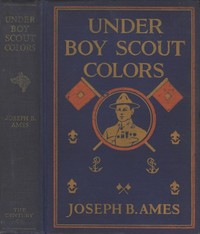
Under Boy Scout Colors by Joseph Bushnell Ames
Joseph Bushnell Ames's Under Boy Scout Colors is a quiet snapshot of early 20th-century youth, wrapped in the uniform of the then-new Boy Scouts of America. First published in 1913, it feels both dated and timeless, offering a window into the values of a bygone era through a simple, character-driven conflict.
The Story
The plot centers on Dick Rollins, a model Scout dedicated to the organization's oath and law. His world collides with that of a group of unruly boys led by the cynical and troublesome Tom Haskins. Tom and his friends see Dick's earnest goodness as weakness and make it their mission to mock him and push him to break his own code. The story follows Dick as he navigates this social pressure, facing pranks, challenges, and outright hostility. It's a battle of wills where the battlefield is everyday decency. There's no grand villain or epic quest—just the persistent, grinding difficulty of staying true to yourself when it would be easier to give in.
Why You Should Read It
Don't go in expecting high adventure. The charm here is in the quiet struggle. Dick isn't a flashy hero; he's just stubbornly, sometimes frustratingly, good. Ames clearly aims to illustrate the Scout ideals, but the book works because Dick's conflict feels real. You root for him not because he's perfect, but because his quiet perseverance is its own kind of strength. Tom, the antagonist, is also interesting—he's not evil, just misguided and proud, which makes their dynamic more compelling than a simple good vs. bad fight. Reading it today, you get a fascinating look at what adults a century ago wanted to teach boys about honor, duty, and peer pressure.
Final Verdict
This is a niche but worthwhile read. It's perfect for anyone interested in the history of the Scouting movement or early 20th-century popular fiction. If you enjoy character studies about integrity or like seeing where modern 'coming-of-age' stories have their roots, you'll find a lot to appreciate. Just be ready for its old-fashioned style and its clear moral purpose. It's less a thrilling page-turner and more a thoughtful, period-piece conversation about what makes a boy into a good man.
You are viewing a work that belongs to the global public domain. Thank you for supporting open literature.
Robert Anderson
1 year agoI appreciate how this edition approaches the core problem, the way it handles controversial points with balance is quite professional. Top-tier content that deserves more recognition.
Paul Lee
5 months agoI decided to give this a try based on a colleague's recommendation, the way it challenges the status quo is both daring and well-supported. It’s a comprehensive resource that doesn't feel bloated.
Emily Lopez
10 months agoI was particularly interested in the case studies mentioned here, the data points used to support the main thesis are quite robust. Thanks for making such a high-quality version available.
William Wilson
1 year agoThe peer-reviewed feel of this content gives me great confidence.


Richard Williams
1 year agoIt’s refreshing to see such a high standard of digital publishing.